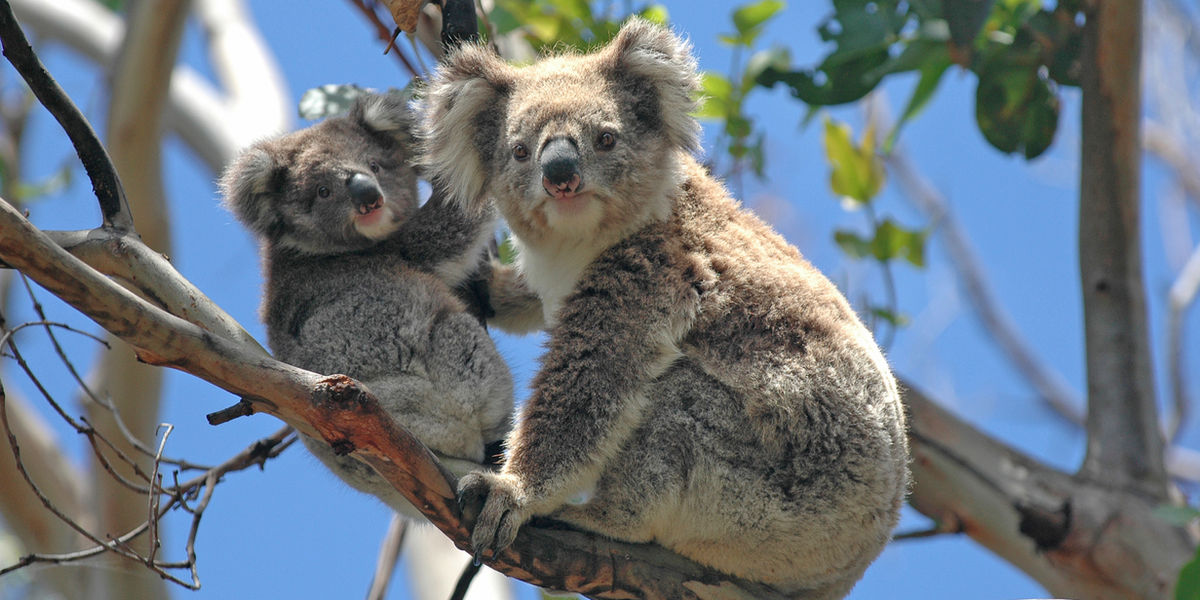
Australia is a popular destination offering both vast natural landscapes and vibrant city sightseeing. This page provides a clear guide to the climate, the best seasons to visit, the major destinations, and what to know before you travel.
Australia Travel Guide
Tourist information for Australia
Australia Basics
Time Difference and Flight Times
Because Australia is such a large country, the time difference with Japan varies depending on the city you are visiting. The east coast (Sydney, Melbourne) is normally on UTC+10, one hour ahead of Japan, and two hours ahead during daylight saving. Central Australia (Adelaide) is normally 30 minutes ahead, while the west (Perth) is one hour behind Japan.
Direct flights operate from Japan to Australia's major cities, with flight times of roughly 7 to 10 hours.
Climate and the Best Seasons to Visit
Recommended Times to Travel
Australia lies in the southern hemisphere, so its seasons are the reverse of Japan's. The best season depends on what you want to do, but on the whole the most comfortable times are spring (September–November) and autumn (March–May).
If city sightseeing is your priority, spring and autumn are the times to visit. If you want to make the most of the natural scenery and the beaches, summer (December–February) is ideal. Events are held throughout the year, and choosing your dates around what you want from the trip will make your stay all the more rewarding.
Major Cities and Regions
Australia covers a vast territory, and each city has its own distinct appeal.
Sydney
Sydney is Australia's largest city, with the World Heritage-listed Sydney Opera House and the Sydney Harbour Bridge as its iconic landmarks. Beautiful beaches such as Bondi Beach dot the coastline, letting you combine city sightseeing with seaside activities in a single visit.
Melbourne
Melbourne is a city where culture, the arts, and sport come together. It has developed its own distinctive food and coffee culture, and hosts world-class events such as the Australian Open tennis. With driving routes such as the Great Ocean Road nearby, it is easy to combine city sightseeing with experiences in nature.
Cairns
Cairns is a popular tropical resort city and the gateway to the Great Barrier Reef and Australia's ancient rainforests. Marine activities such as snorkelling and diving are firm favourites with travellers. Inland lie natural wonders of World Heritage calibre, including the Daintree Rainforest.
Gold Coast
A resort area famed for some 42 kilometres of white sandy beaches. It is also renowned as a surfing destination, and offers plenty of urban attractions too, from theme parks to large shopping centres.
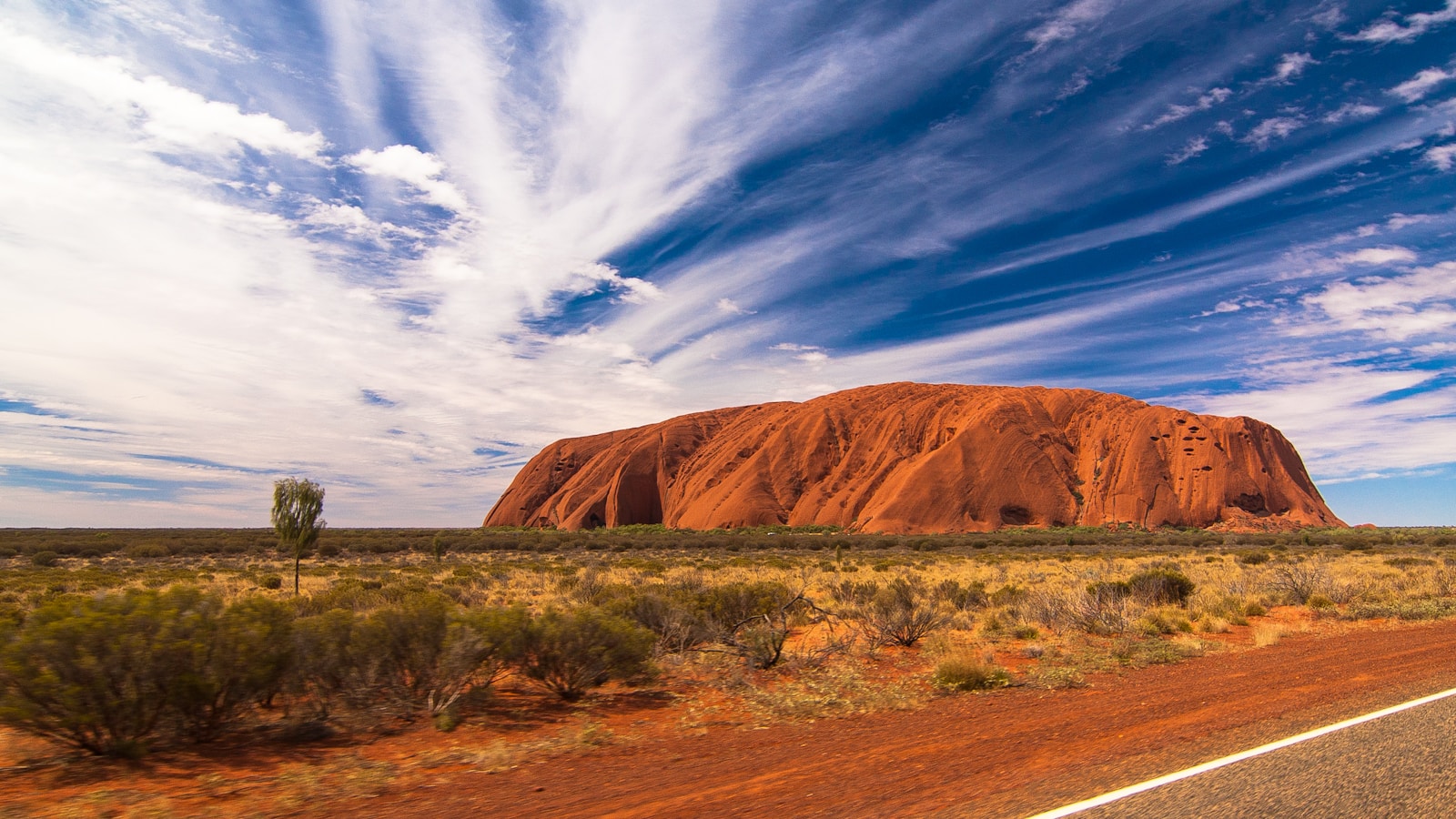
Ayers Rock (Uluru)
A vast monolith rising from the centre of Australia, and a sacred place alive with the culture of the Aboriginal peoples. Uluru-Kata Tjuta National Park is World Heritage-listed, and the rock's changing colours at sunrise and sunset are sure to be a highlight of any trip.
Safety, Etiquette, and Points to Note
Safety
Australia is regarded as a relatively safe country, but you should still watch out for pickpocketing, bag theft, and trouble at night. Take sensible everyday precautions.
Tipping and Etiquette
Australia has essentially no tipping culture. A small tip for particularly good service is welcome, but never obligatory.
Public Etiquette
You are expected to keep quiet on public transport. Smoking is prohibited outside designated areas, and breaches can attract fines.
Before You Travel
Visas and Entry Requirements
Japanese citizens travelling to Australia for tourism need an entry authorisation — a visa or an electronic travel authorisation — appropriate to their length of stay and purpose of travel. For short tourist visits, the most widely used option is the ETA (Electronic Travel Authority), which can be applied for online through a relatively simple process.
Entry requirements can change, so it is important to always check the latest information before departure.